Student Life
International Exchanges Programme

Indo-Spanish Exchange 2025-26

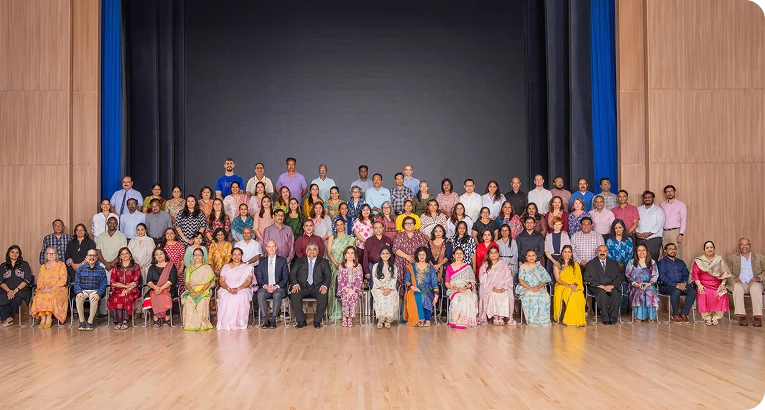
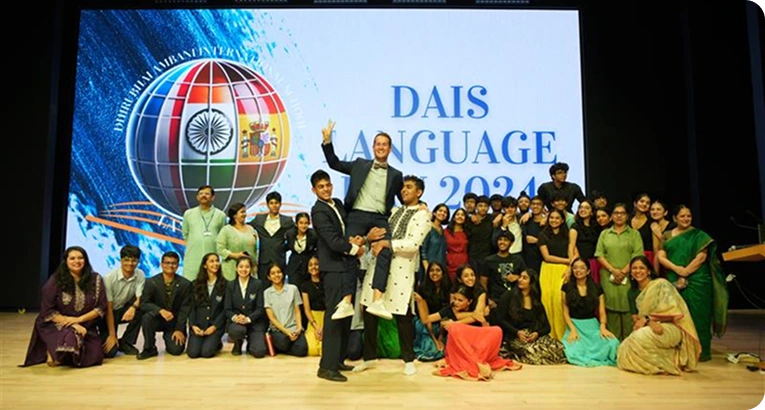
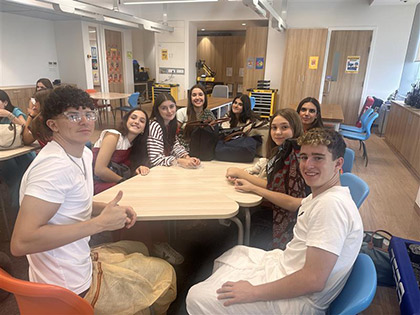
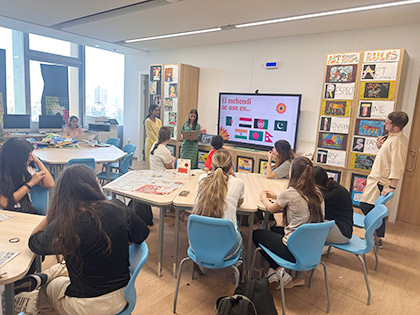
In October 2025, our school had the pleasure of welcoming a group of Spanish exchange students to Mumbai. The students arrived on 10 October and stayed with Grade 11 host families, giving them the opportunity to experience everyday life in India while forming new friendships with their hosts.
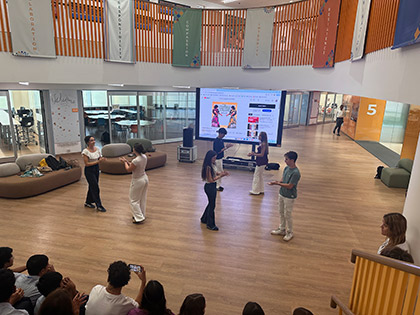
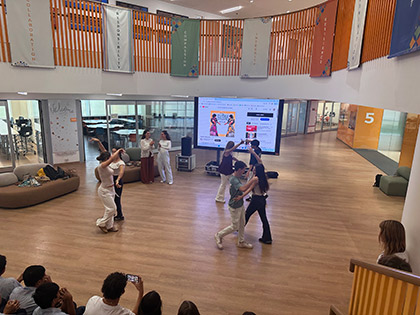
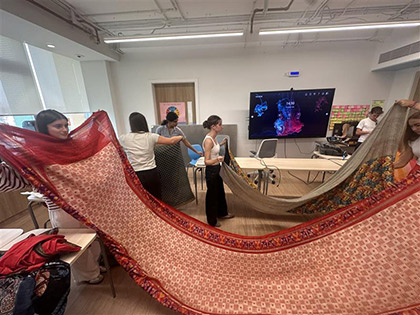
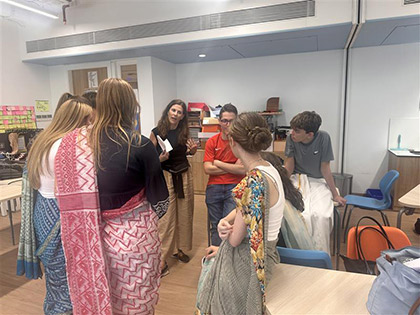
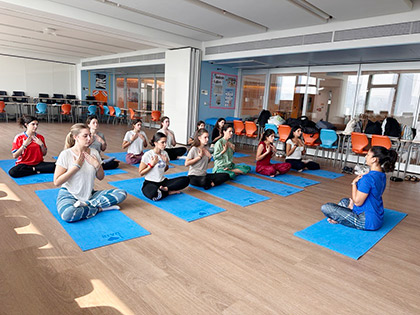
During their time at school, the exchange students enthusiastically took part in a variety of activities that introduced them to Indian culture. They tried playing cricket, participated in yoga sessions, explored Indian art, and even learned about traditional Indian food. These activities were completely new for many of them and were a fun way to experience something different from their daily routines back home.
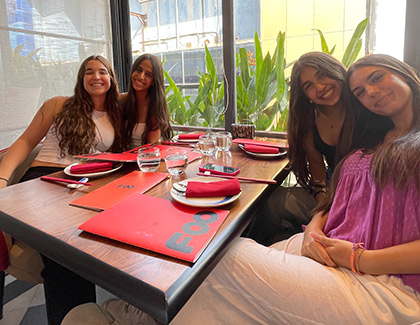
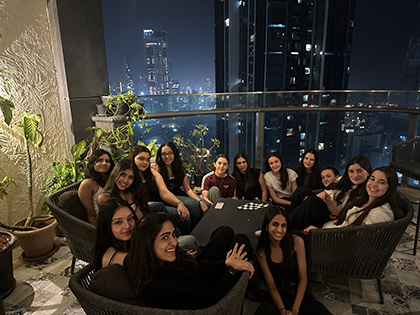
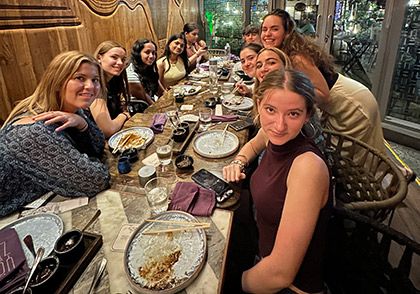
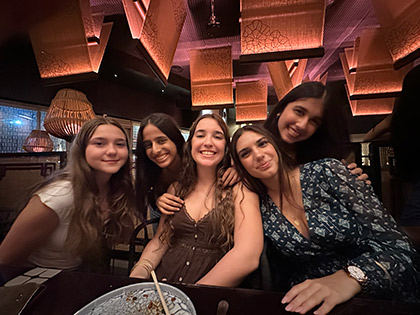
Outside school, the host students organised many activities to help their partners explore Mumbai. Several hosts arranged dinners featuring North Indian dishes such as butter chicken, dal makhani, paneer tikka and naan, while others took them out to cafés in Bandra, giving them a taste of Mumbai’s lively café culture. Another highlight was visiting some of the city’s famous markets, where students bought jewellery, bangles, and traditional Indian clothing, enjoying the colourful and energetic atmosphere.
Many of the Spanish students were also eager to try spicy Indian food. Although some were unsure at first, most of them ended up loving the flavours and even asked for second servings.
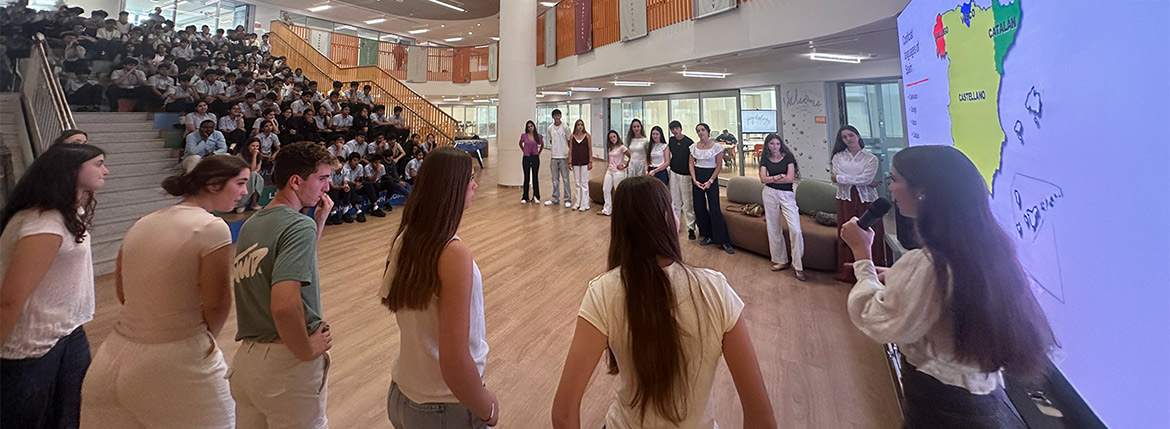
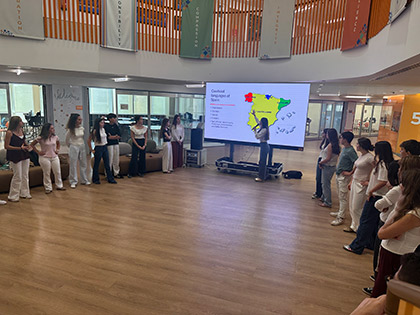
The exchange was not only about activities but also about sharing cultures. The host students had the chance to practice their Spanish, while the visiting students learned more about Indian traditions, school life, and daily routines. It was a great opportunity for everyone to exchange ideas and learn from one another.
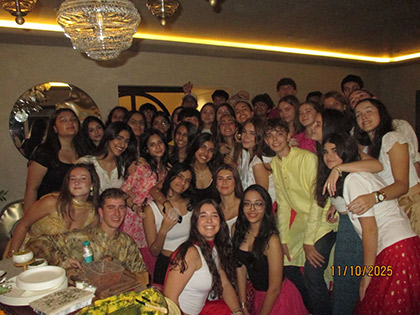
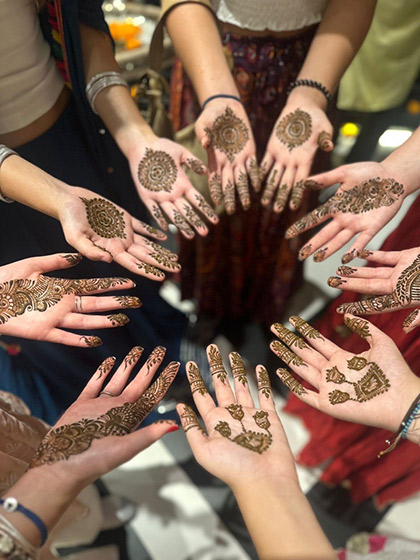
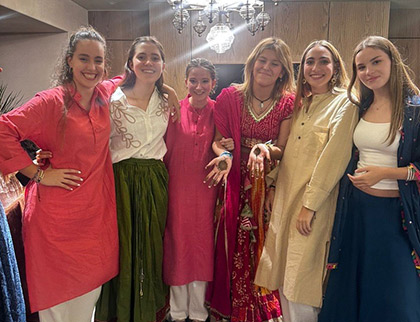
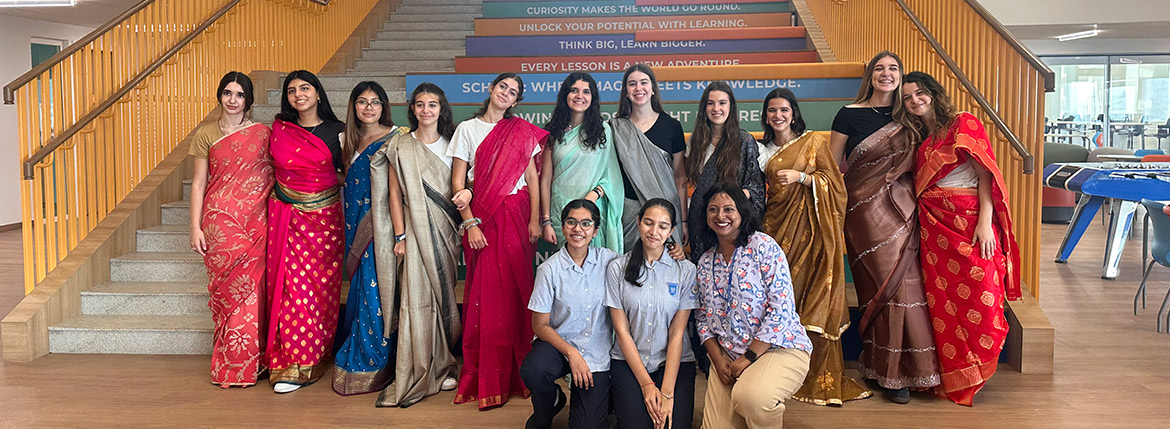
One of the most memorable events of the exchange was a party organised by one of the host families. All the students gathered for an evening filled with Gujarati food, music, and dancing. Everyone dressed in traditional Indian clothing, and many of the Spanish students even tried mehendi, which they found fascinating.
The exchange students also had the opportunity to take part in community service alongside their hosts. They visited local communities and spent time with younger students, helping them with maths or simply talking to them about their experiences and life in Spain. It was a meaningful experience that allowed them to connect with students outside the school as well.
Later in the trip, the exchange group travelled to Matheran for two days, where they enjoyed scenic hikes and continued their community service activities. The peaceful environment and beautiful views made it a memorable part of their visit.
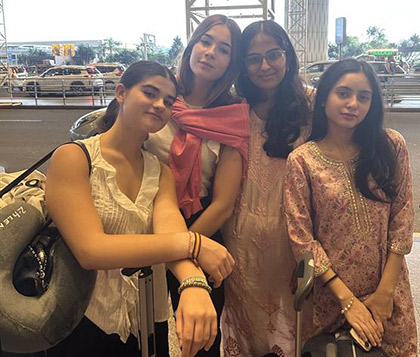
At the end of the exchange, the host students accompanied their partners to the airport to say goodbye. Although it was sad to see them leave, the trip was an incredible experience for everyone involved. Both the Spanish and Indian students learned more about each other’s cultures, formed lasting friendships, and created memories that they will remember for years to come.
Photo Gallery
Indo-Spanish Exchange 2024-25
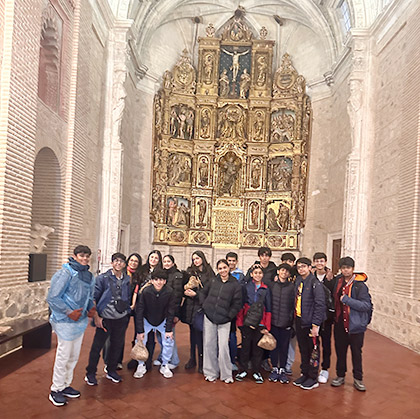
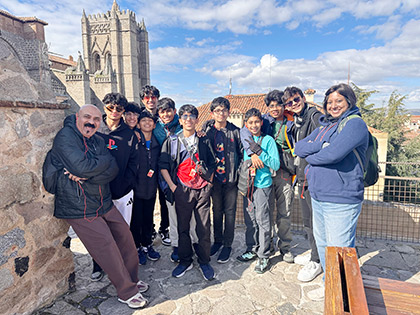
Spain wasn’t just a trip; it was a whirlwind of culture, history, and unforgettable moments that made us pause, stare, and truly feel. The crisp Spanish air greeted us as we stepped off the plane. Ten students of Grade 9 settled into the hotel, while six grade 11 students stayed with host families. Led by Mr. Sunil Makwana and Ms. Ananta Prasad, we were ready for an adventure of a lifetime. From the medieval walls of Ávila to the fairytale aqueducts of Segovia, every place whispered stories. Toledo dazzled with its layered heritage, where Christian and Muslim influences met. Madrid, regal and vibrant, stunned us. At the Prado Museum, we stood awestruck before Velázquez’s Las Meninas and Goya’s powerful works. Wandering through royal palaces and bustling plazas, we traced Spain’s rich past.
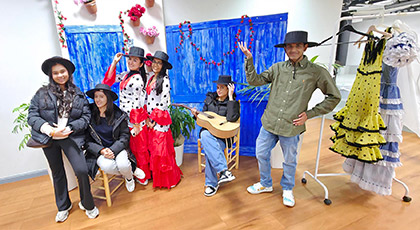
At SEK School, we experienced Spanish education firsthand—with a business class taught entirely in Spanish. We built LEGO breakdancers in robotics, struggled with flamenco, and peered into the cosmos through advanced telescopes. Ordering food and navigating streets became exciting challenges—Google Maps was our best friend. From churros to souvenirs and getting scammed buying jerseys, we brought home more than keepsakes. Our final act? Performing Chogada Tara at SEK’s assembly. Spain wasn’t just a destination—it was a rhythm we danced to, a story we lived, and a memory etched in time.
Akshaj Panjnani
IGCSE Grade 9B
Photo Gallery
Indo- Spanish Exchange
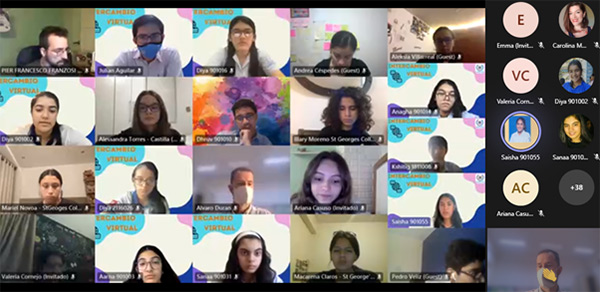
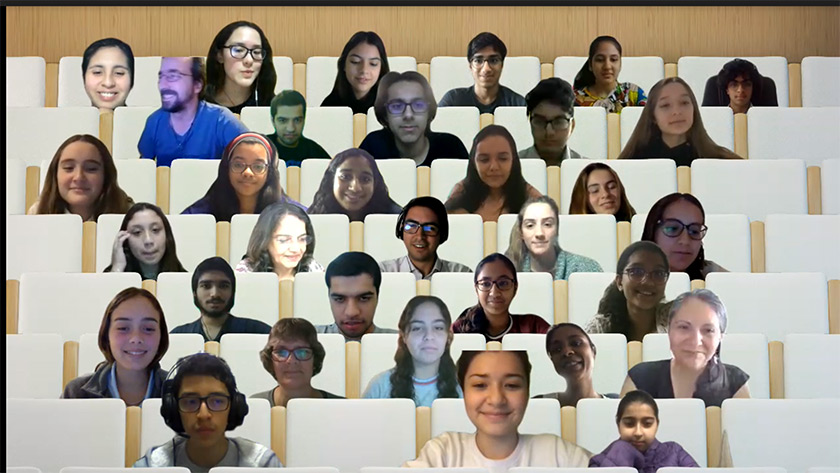
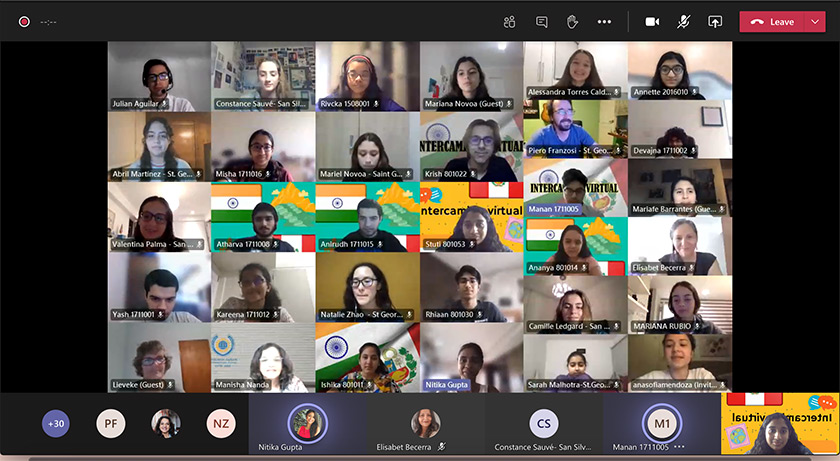
On October 19th and 20th 2021, DAIS organize an online Indo-Spanish exchange with students from San Silvestre and St. Georges College in Peru, as a continuation of the Indo- Spanish exchange sessions initiated last year. This would be the 4th such session in the series. DAIS students studying Spanish B, hosted 18 students from each exchange school. The interaction made students realize that though they seemed vastly different, but they were similar in their curiosity and involvement with each other’s cultures. The theme of the session of this exchange was identities and language, and, hence, was centered within the diverse Indian and Peruvian cultures, traditions, and experiences that participants brought to the discussion.
The session included thoughtfully curated activities that began with introductions and concluded with a pledge to the conservation of our authentic national and cultural identities. The session opened with an introductory presentation with general online instructions about guidelines to navigate the Microsoft Teams platform, as well as a short video amalgamating various perspectives of DAIS students about what identity means to them, how culture influences identity and a word that they think describes them. Following this we moved into introductions where each person would share their name, age, school, and one thing that contributed to their identity or that they liked. We also played a more interactive game, in which students were encouraged to bring one object that represented their identity: pictures of family, guitars, necklaces, vinyl and stuffed animals, amongst other things were brought and shared with the group. To fully engage with the theme of identity and language, participants were assigned a pre-conference task of making a poster that condensed their sense of self into one visual, and these posters were shared with the other participants. Students talked about the reasons for included certain places, objects, or people in their poster, and made connections to their cultural heritage, all of which gave the rest of the group a wonderful insight into them as an individual. We also proposed a few prompts to the participants that they were urged to reflect upon and respond to, after which we concluded with formulating a pledge to preserve and keep alive our national and regional traditions and identities.
The conversation during the exchange was especially opinionated, which made the session insightful and authentic. Students from both schools, supported the perspective that national heritage and identity became a large part of their lives along with friends, families, and vacations, all of which were reflected in their pre-conference work. During the discussion of prompts we had dialogue about the different traditions that each country inherited from its history. For example, in Peru some families eat 12 grapes on new year’s at 12AM, while Christmas is an important festival for them. In India, Navratri and Diwali take precedence with the firecrackers, Indian food, and lights that they inevitably bring. Further, we talked about how our personalities are shaped by the language we speak: students shared that they were slightly more nervous speaking Spanish, or any language that wasn’t their first language. They didn’t push themselves to experiment with new sentence structures and vocabulary, in contrast to their first language that was fluent and comfortable to converse in. We also explored conservation of culture, and devised a pledge to be more aware of our cultural roots and stay connected to them by passing on stories, cooking authentic food, watching and supporting local art and dance.
Perhaps the most important learning from this experience was the unity and similarity we were able to find within diverse cultures and identities across the world: we liked similar music, participated similar activities, and faced similar problems like the degradation of culture. We were able to interact with adolescents our age from Spanish speaking countries, and this helped gain a global perspective on our theme of identity and language. Even feedback from the participants themselves included gratitude for a space to voice strong opinions, and, therefore, acceptance of several perspectives and active listening were skills that we were pushed to embrace through this session. We will ensure that future sessions are as educational and insightful as this one!
Some reflections from the student leaders:
“I really enjoyed talking to and learning from everyone and communicating through a language I love speaking.”
“Getting to actually use a language that we have been learning for 3 years to interact with other native speakers of the language was an insightful and inspiring experience”
Student Leaders: Ananya Srinivasan, Sanaa Beriwala, Saisha Gupta, Diya Shah and Kshitig Seth
Indo-Peruvian Virtual Spanish Exchange
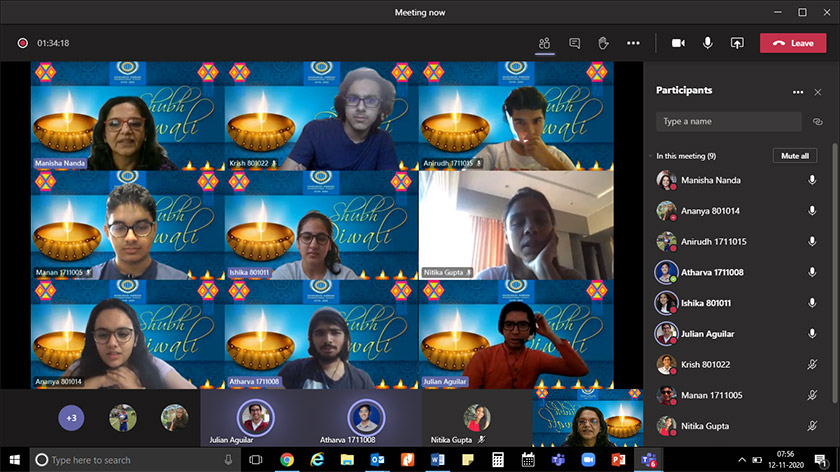
The Spanish Exchange program is an annual DAIS event that gives students an enriching cultural experience and allows them to make memories that last a lifetime. Due to the pandemic this much awaited exchange trip was cancelled. Undeterred by the situation, DAIS ensured continuity of the Exchange Programme albeit on the virtual platform. To gain more knowledge about the culture of Spanish-speaking countries, an essential part of their IB Spanish syllabus, students of Spanish Language B organized this virtual exchange to share ideas about festivals and other aspects of culture.
Session 1: 19th September 2020
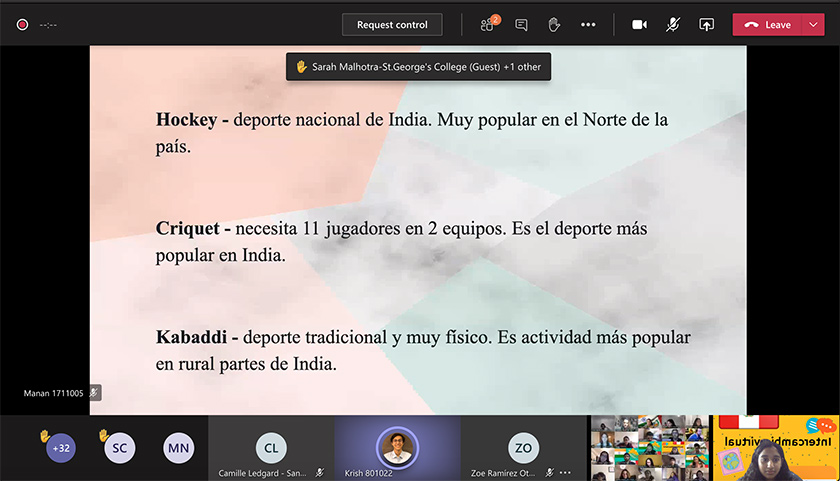
The first collaborative session was initiated on the 19th of September, with students from St George's College, Peru and San Silvestre College, Peru. The session started with an interactive round of introductions through icebreakers and games to engage conversation. Following this, the students of DAIS presented the key aspects of Indian culture through a PowerPoint presentation. This sparked many questions between the students of Peru and India about culture and lifestyle. An informal conversation in Spanish, between the students allowed them to discover the similarities and differences between Indian and Peruvian culture, thus allowing them to draw connections between the two. To conclude the session students participated in a game about Indian culture created by the students of DAIS. This encouraged students to further research and understand the different cultures. This platform gave the students an opportunity to broaden their perspective of different cultures and enhance their learning and command over the language, outside the classroom space. The overwhelming positive feedback received at the end of the session, encouraged the students of DAIS to plan another exchange with their peers from Peru.
Session 2: 12th November 2020
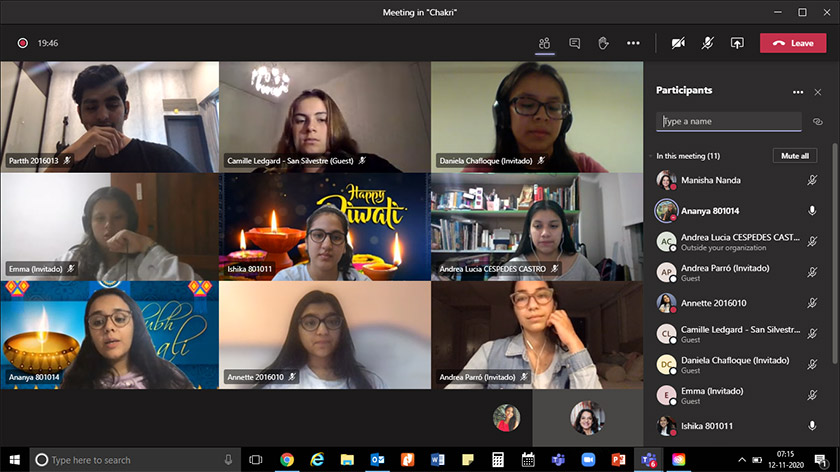
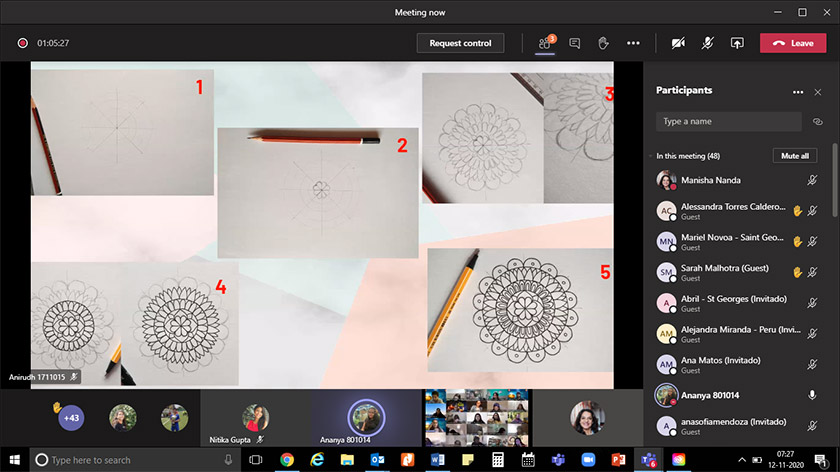
On the 12th of November, the students of Year 11 Spanish language B had their second Exchange Program session in collaboration with students from two schools in Peru. This included 21 students of DAIS Yr. 11 Spanish B, 22 students from St Georges College, Peru and 8 students from San Silvestre College, Peru. With the purpose of a cultural exchange that enriches the language learning experience for the students and broadens their understanding of the Peruvian culture – the session revolved around the theme of Festivals. The DAIS students conducted a presentation about Diwali for the Peruvian students. Following this, students divided up into breakout rooms for closer interactions with the foreign students. The students were engaged and actively learned about each other’s cultures. Students bonded over commonalities in their cultures such as sports, family time and food. In order to give the Peruvian students the complete essence of Indian culture, DAIS students conducted an art activity. This activity, along with many other aspects of the session, was very well received by the Peruvian students. The Peruvian students were engaged throughout the session and responded enthusiastically to all the activities planned by the DAIS students. The entire session was conducted in Spanish in order to make students more confident and comfortable with speaking the language. The great enthusiasm evident in the planning of the next session amongst both DAIS and Peruvian students will definitely result in a third Exchange session anticipated to take place some time in December.
Exchange Programme Student Coordinators: Anirudh Fadia, Ananya Sachdev, Atharva Nihalani, Stuti Daga, Krish Bathija, Manan Agarwal and Ishika Keswani along with volunteers from the Spanish B class.
Exchange Programme Teacher Coordinators: Ms. Manisha Nanda, Ms. Nitika Gupta and Mr. Julian Aguilar.
Photo Gallery

Pratham Mehta and Sanchi Rohira
The Spanish exchange was an extremely memorable, unforgettable experience for me. From eating traditional Spanish food to navigating the roads of Madrid while speaking Spanish, I thoroughly enjoyed every aspect of this trip.
On the first day itself we were introduced to typical Spanish churros at the host school, which we savored. Next, after spending some quality time with the family, we set off for some exploration and sightseeing as a group. We explored the Retiro Park, La Puerta de Alcala, La Plaza Mayor, and a bunch of other tourist spots. We also tried out traditional Spanish tortilla de patatas – a thick, sumptuous omelette. In the evening, we walked the Gran Via; the main, massive shopping street of Madrid, admiring the light breeze. The next day, I went with my host family for Lunch where I tried Paella for the first time. It reminded me a lot of biryani, except for the fact that biryani has many more rich spices in it.
After a weekend well spent, we went on an excursion to the mountains near Madrid called Sierra Norte. Here, we trekked and played several interesting games such as “Amoeba” and Capture the flag. We also explored the small town of Cercedilla and interacted with the locals.
Once we returned, we conducted a presentation about Indian Culture that went really well. Plus, several Spanish students mentioned to us that they thoroughly enjoyed the presentation. That evening, I also visited Museo Del Prado - where I learnt about European art - and Museo Reina Sofia - where I learnt about modern art. We went to Gran Via by taxi for some shopping after that, and I had a long conversation with the taxi driver about our exchange trip and our experiences. We ended the week in a small town near Madrid called Alcala de Henares, where we learnt about Cervantes, a renowned Spanish writer. The next day, we had typical Spanish breakfast like Cola Cao (hot chocolate) and churros.
On the last day, we enjoyed a few games of paintball, which were an excellent bonding experience. I also learnt how to make Paella from my host’s grandmother. All in all, I had a blast, and this trip was one of the most enriching experiences of my life.
Our student exchange program with SEK Sidelamp is not only a linguistic exchange, but also a cultural one, through which we were able to gain a hands-on understanding of what it’s like to live in a part of the world, which we otherwise may have only been able to see through the lens of a tourist.
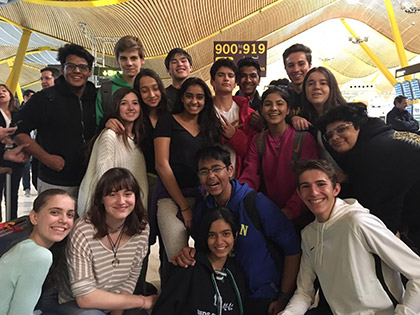
I personally feel as though somewhere in between all the sightseeing, school-based activities, siestas (afternoon nap times) and fiestas (parties or get-togethers), we found time to take notice of cultural differences and similarities between our home of 11 days and our homes of 17 years. On landing at Madrid-Banjaras Airport, I was excited to get to know “the real Spain” through living with a “typical Spanish family”. Upon interacting with not one or two but multiple Spanish students and families, however, I was able to discover that the quintessential Spanish family, may not have been as set in stone as I had previously assumed.
Through discussions with our European peers about the history, politics, economics, and social issues of Spain, I was surprised (and excited!) by the variation in culture and mindset that our exchange group represented! In a country known for its love for ham, we met a student with a passion for animal-rights who, in that ‘typical Spanish family’, turned strictly vegetarian.
Eighty years after the end of the Spanish Civil War, the Indian students’ interest in learning about the evolution of the Spanish flag ended up sparking a rather feisty conversation between our hosts about the way in which the war ended and how it is perceived today. Through their each explanation of why and how they feel about certain national issues the way they do, we were able to understand the people of Madrid with real context - something we would’ve found impossible to do had this not been an exchange!
In that sense, I consider this program to have added value and experience to the phrase “international mindedness” and therefore I believe it to have a part in completing our individual IB experiences.
–Sanchi Rohira
Photo Gallery

SPANISH EXCHANGE TRIP
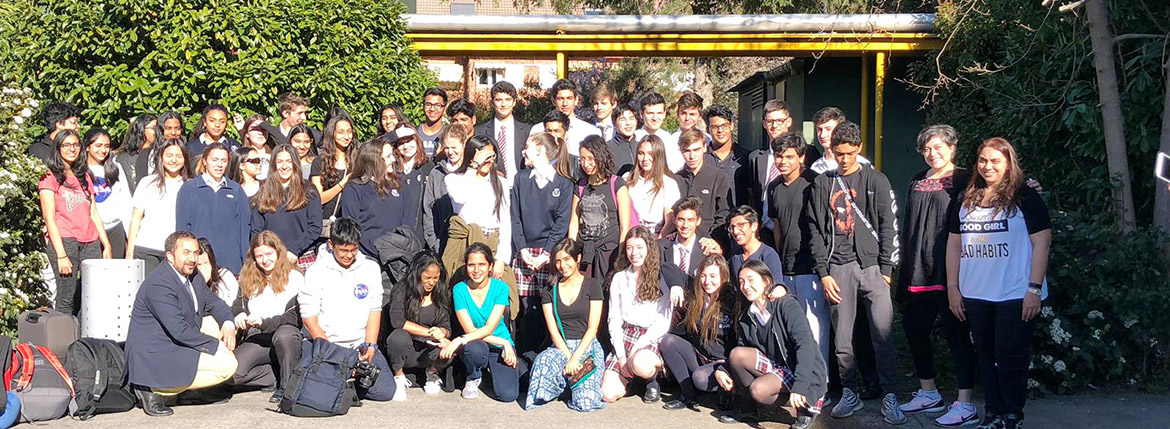
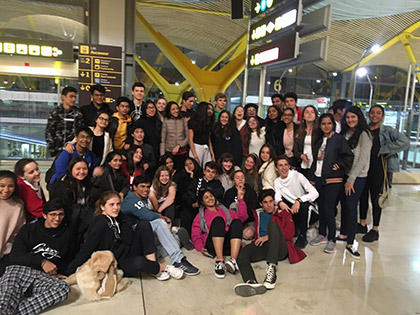
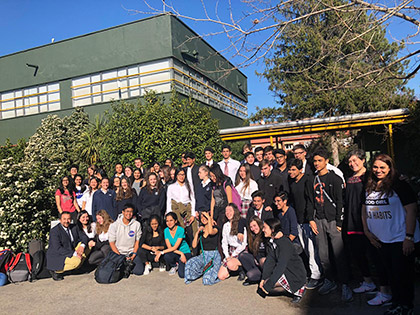
Cuando los estudiantes de SEK llegaron a DAIS por primera vez, ya hablamos como viejos amigos. Cuando salieron, lloramos y dijimos adiós muchas veces. Aunque el intercambio duró sólo diez días, hicimos recuerdos que durarán toda la vida. Compartimos todo – historias, comida y música. Era increíble ver lo mucho que teníamos en común y también nuestras diferencias.
Todavía recuerdo cómo navegamos por las calles animadas y los mercados ruidosos de Mumbai y cómo nosotros cupimos 20 personas en una mesa para 10. Era un poco estresante, por supuesto, pero valió la pena. En el instituto, jugamos ‘kabaddi’ y aprendimos sobre la danza y la música india.
Tuvimos discusiones significativas sobre nuestros países, idiomas y culturas. Somos diferentes en apariencia y las lenguas que hablamos, pero el mismo en nuestras ambiciones, temores y esperanzas.
Las amistades que hicimos son realmente especiales. ¡De hecho, todavía hablamos casi todos los días! En pocas palabras, era una experiencia como ninguna otra. No podemos esperar a ver a nuestros amigos españoles de nuevo.
Por Tanisha Agarwal, Año 11 2018-2019
Photo Gallery

SPANISH EXCHANGE TRIP
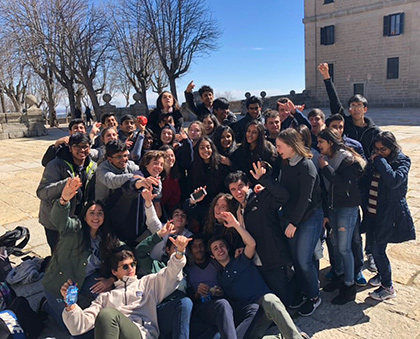
I am one of the 22 DAIS students who traveled to Spain from March 14th to 23rd. We stayed with our host families, visited several historical monuments, and explored the city of Madrid. This experience not only improved our Spanish speaking and listening skills but also exposed us to a new culture. Overall, the trip was exciting and unforgettable.
We visited SEK-Ciudalcampo School in Madrid and attended a typical school day there. Through this experience, we observed the differences between our school systems in terms of administration and organization. We had an informative session led by SEK's 12th-grade students about the Spanish Civil War between the Nationalists and the Republicans. We also enjoyed a drama session and some super fun activities.
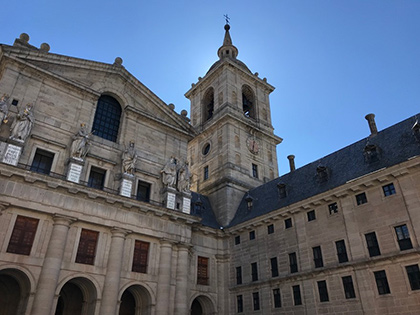
We also visited the Reina Sofía Museum with its diverse collection of paintings. Each of us chose a painting that appealed to us and noted details about it. At the Prado Museum, we observed Pablo Picasso's famous painting "Guernica." Because we had learned about the history of the Spanish Civil War before our visit, we were able to understand the painting's significance. In addition, we visited the beautiful Monastery of El Escorial, which is both a monastery and a Spanish royal palace.
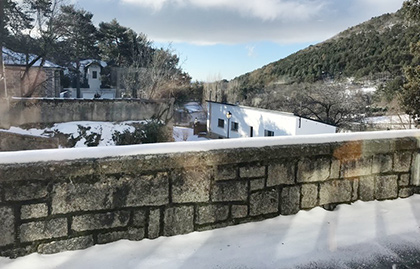
From my perspective, our two days in the mountains near Cercedillas were the most adventurous and enjoyable. We hiked through snow and strong winds, had intense snowball fights, and saw unparalleled views. Being one with nature cleared my mind of all thoughts and left me carefree. We also played several fun team-building games, which improved our communication skills as we worked together.
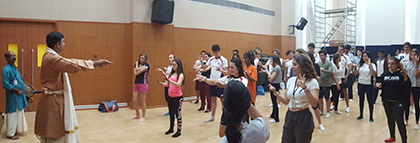
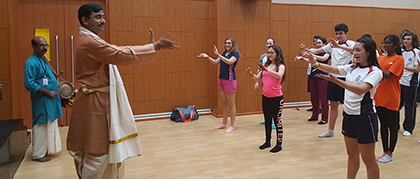
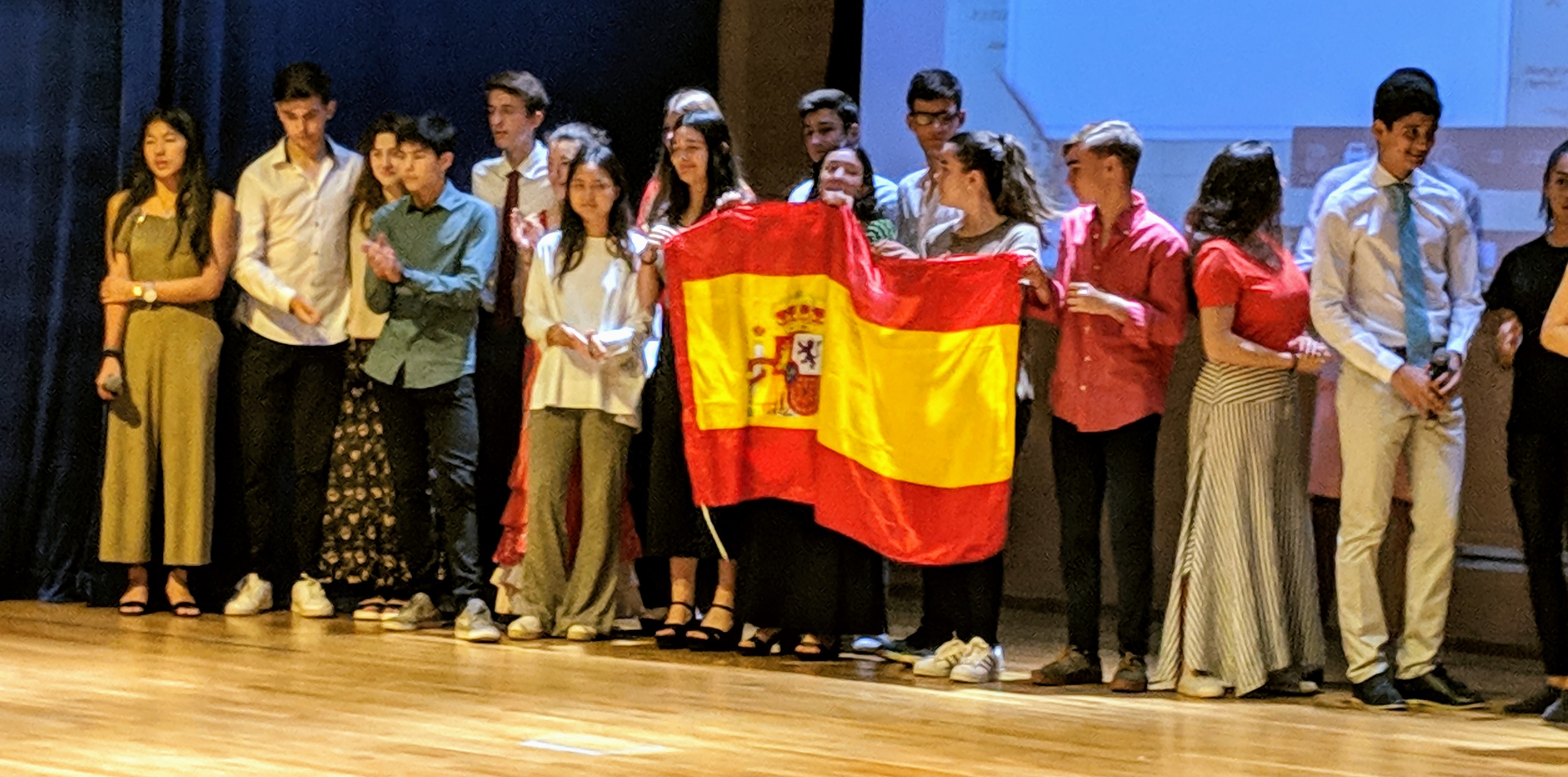
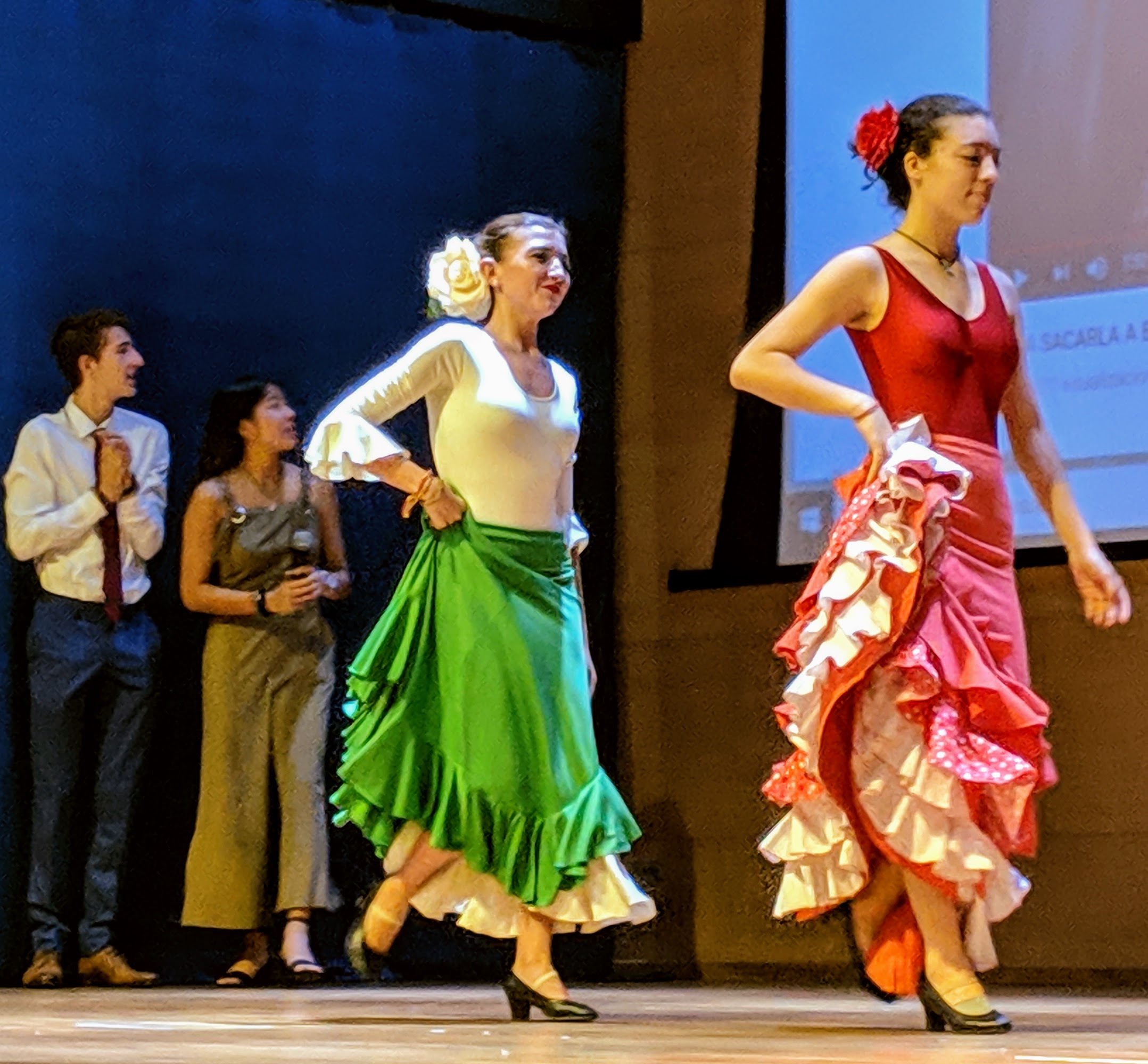
After some rehearsals in Mumbai, we had our final performance at an assembly at SEK. This assembly consisted of a classical Indian dance, two Bollywood dances, a presentation on various aspects of India, and a video about our school and India.
In conclusion, we were exposed to Spanish culture: food, lifestyle, and everyday activities, and we became lifelong friends! This is an experience I will always cherish.
Sara Mehta
Year 11
Photo Gallery